





LAS VEGAS—Equipped with burning questions about compliance and legal concerns in the 2026 calendar year, on Thursday, Jan. 22 scores of adult industry stakeholders converged on the seminar room attached to the upper floors of The Theater at The Virgin Hotels Las Vegas to listen to a pair of leading First Amendment attorneys.
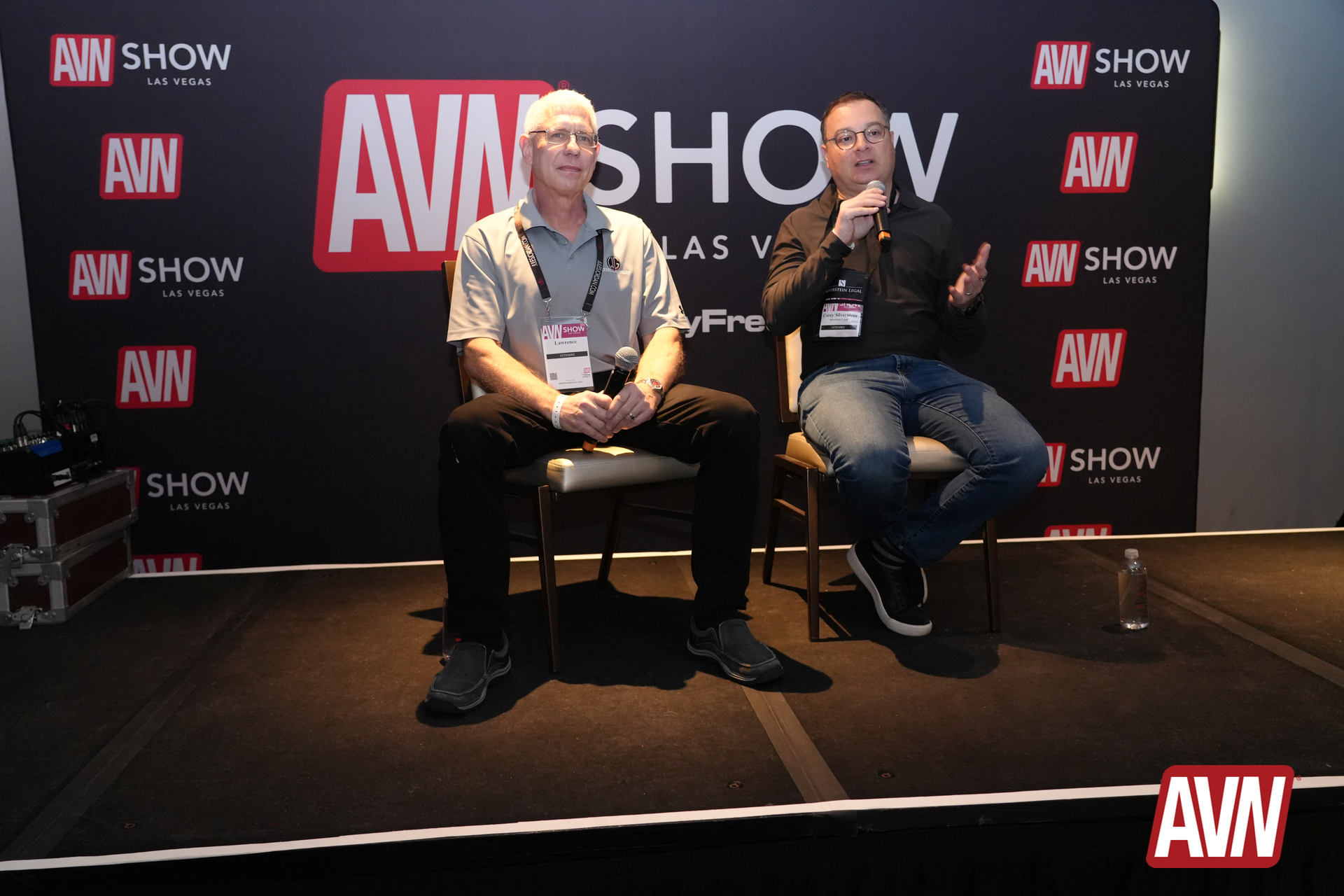
The annual legal panel for the business track at AVN's Adult Entertainment Expo (AEE), held last week, featured Corey Silverstein and Lawrence Walters.
Silverstein is managing attorney of his namesake firm, Silverstein Legal, based in a suburban village north of Detroit. Walters is also managing partner of his namesake firm, Walters Law Group, based in a northern exurb of Orlando, Florida.
Both are known for collaborating on cases together, including high-profile ones impacting the adult industry. And the dynamic showed during an engaging seminar.
In the panel, titled "Legal Pulse: The Essential 2026 Guide," Silverstein and Walters unpacked a bevy of critical legal and compliance topics impacting companies in the adult entertainment sector throughout the United States and abroad.
These topics included age verification compliance, new state-level record-keeping laws, and the rise of so-called "porn taxes" sweeping conservative state legislatures. At the beginning of the session, Silverstein asked, "Do we have any North Carolina residents here?" Only one audience member raised their hand.
"We have one," Silverstein joked. "Alright, good. Well, you're screwed. Next topic." While an effective attempt at levity, the pair of attorneys initiated the conversation by noting that, in the U.S. state of North Carolina, a new law now requires all producers, creators, and studios to comply with state-level record-keeping requirements.
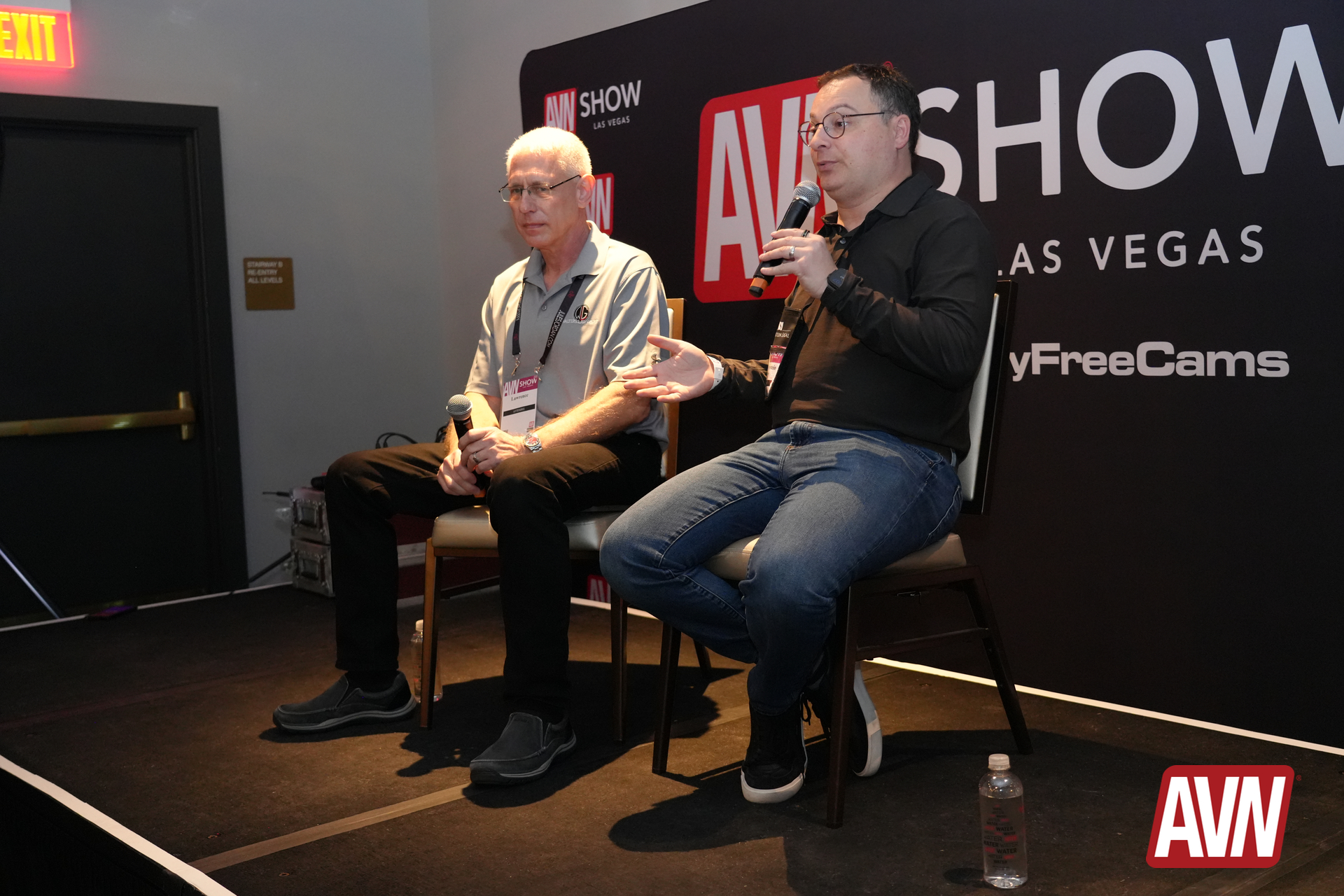
As AVN previously reported, the state-level record-keeping law is eerily similar to the federal record-keeping law under 18 U.S. Code § 2257 and is enforced by the U.S. Justice Department's Child Exploitation and Obscenity Section.
North Carolina's law, passed by House Bill (HB) 805 during the 2025 legislative session and dubbed the "Prevent Sexual Exploitation of Women and Minors Act," was adopted in response to perceived sentiments held by anti-porn activists that the industry is systematically exploitative and unregulated.
Clearly an urban myth, as many industry panelists throughout AEE referred to adult entertainment as a "regulated, mature industry."
"For those of you who haven't seen North Carolina, they went a little nuts," expanded Silverstein. "They passed a crazy law."
He adds, "It was actually built into 400 pages of other crazy laws about what books could be displayed in public libraries. And they buried in there this wonderful law for the industry that basically said that any performer who now consents to creating adult content can revoke that consent at any time in the future, with basically no rules."
"If you don't listen and continue to use the content, you have all sorts of potential problems, including civil liability, potentially criminal investigations," he added.
Silverstein elaborated further that he, Walters, and their teams are now starting to see attorneys pursue studios, producers, and creators citing North Carolina law, not any federal record-keeping and consent laws that have been standard in regulating pornography production for decades.
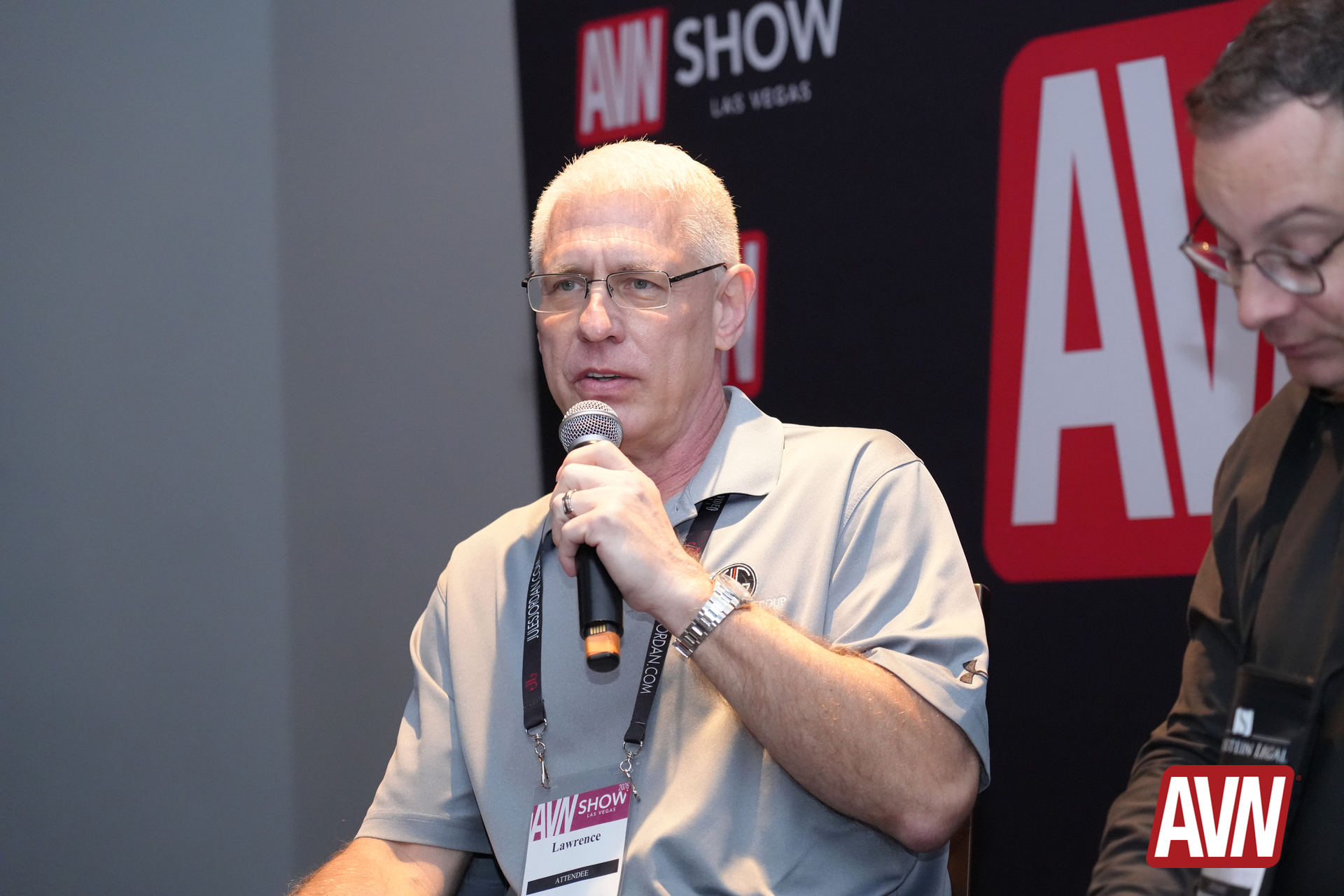
Moving on to the panel, the conversation shifted to the state of Alabama. In transition, Walters said, "There is another state that imposes some restrictions that haven't been well heeded, I think, generally, and that is Alabama."
"What do you have to do in Alabama to get valid, binding consent from a performer?" Silverstein noted that the new Alabama regulation on performer consent requires a public notary, which he called "insane." But it was Walters' explanation of the accompanying regulations in the state, including the state's porn tax regime.
"So the general concept is, under the First Amendment, you cannot tax an activity that is based on protected speech," said Walters. "Put that differently, if the basis for your tax is protected conduct or speech, then the tax is suspect under the court evaluation. So the court looks at it with heightened scrutiny."
Silverstein played devil's advocate, pressing the theoretical argument of these supposed "sin taxes" similar to taxes on recreational marijuana in dozens of state-level jurisdictions, not including Alabama. Walters responded that this comparison is incorrect, calling both types of taxes "completely different."
"So with marijuana, there is no constitutional protection to be able to sell that particular product," Walters explained to the audience. "With product sales, generally, unless it's an expressive product, like a newspaper or an adult film, you obviously don't have a constitutional right to sell marijuana."
"[A marijuana] tax is not infringing on or taxing the exercise of a constitutional right," he said. "Here, we're talking about taxes directed at the adult entertainment industry. That is a content-based tax. It's not all entertainment. It's not all media. It's just a certain kind of media that's disfavored by the taxing authorities."
Both presented the concept of a "porn tax," which recently went viral, as wholly anti-First Amendment. As context, which AVN reported on the week before the expo, a right-wing gubernatorial candidate in Walters' home state of Florida proposed a 50 percent "sin tax" on the income of adult content creators.
Walters said he was convinced this proposal would go nowhere in Florida, as the politician proposing it is highly unlikely to win the governor's race. Silverstein and Walters also addressed a range of questions and issues related to age verification, which was an extension of an earlier panel dedicated solely to the topic.
Photography by Mari Blue
